Mental well-being: gentle exercise or less stress first?
Hi, it’s Noémie. The most helpful thing is often to reduce the pressure first, then choose a gentle sport that easily fits into your daily routine. When stress is high, starting an intense workout can feel difficult. A walk, a few movements, or a short mobility session offer a more accessible first step. The goal: gradually regain relaxation, energy, and mental well-being.
Do this first
- Choose a simple activity: walking, gentle yoga, or stretching.
- Start with 10 to 20 minutes, depending on your energy and circumstances.
- Slow down if you already feel exhausted or tense.
- Schedule two or three realistic time slots in your week.
- Notice your mood before and after, without focusing on performance.
To make progress without putting pressure on yourself, first identify what’s blocking or draining your motivation. These tips can help you get back to exercising without exhausting yourself mentally and understand whether your body is asking for a break with these pointers on fear of moving or a genuine signal from your body.
Gentle exercise or less stress: where should you start?
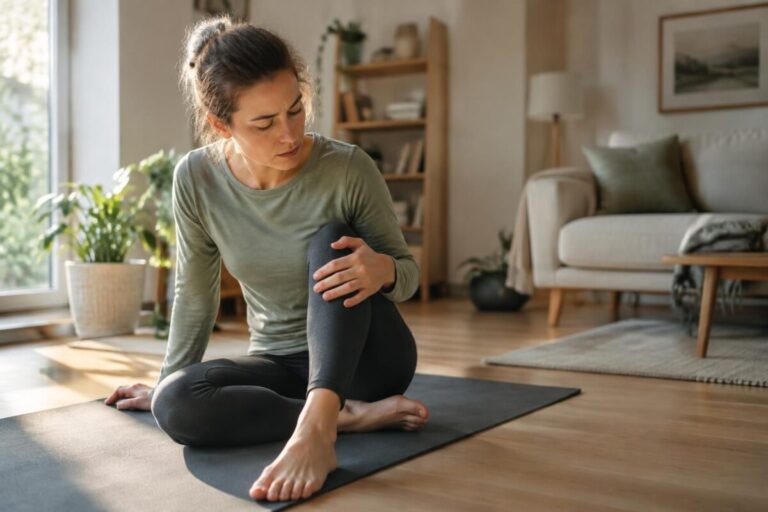
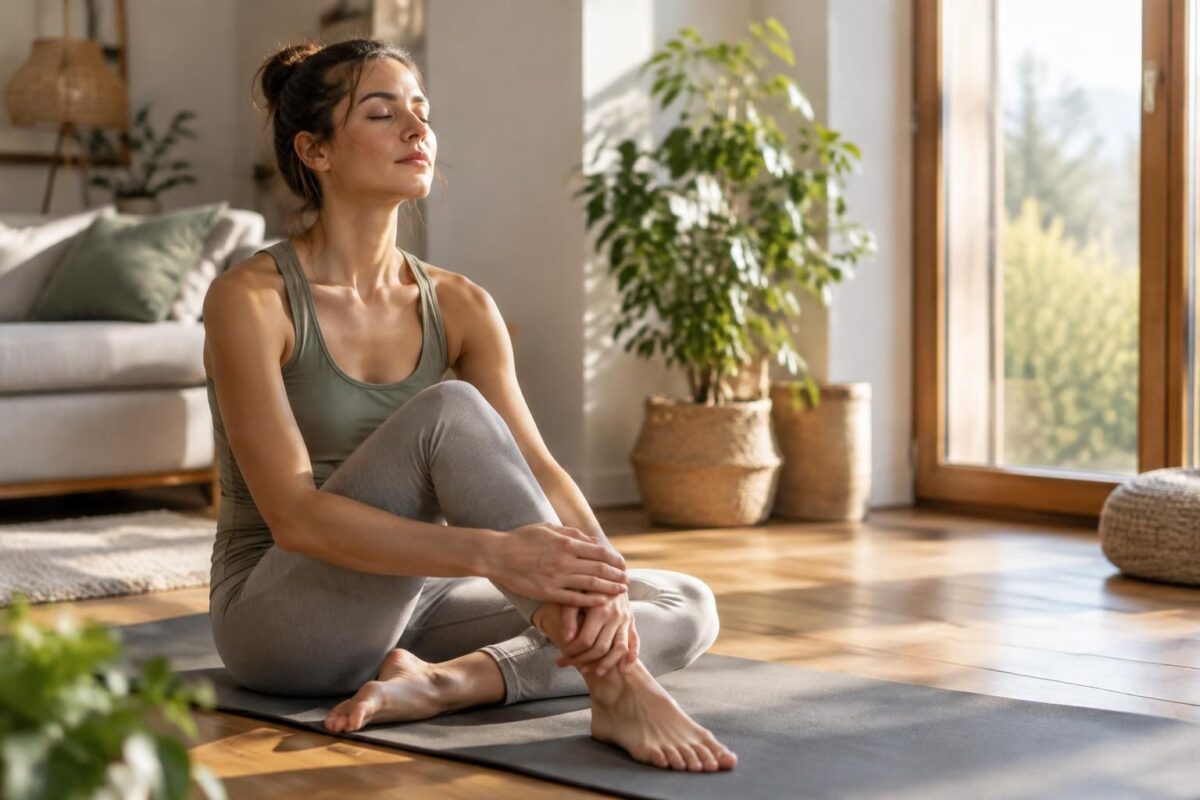
If you’re feeling very tense, start with a short, gentle activity. Walking, Pilates, yoga, or a few mobility exercises can help loosen your shoulders and reconnect with your body.
Regular physical activity often supports stress management and mental health. There’s no single sport that suits everyone: the best choice is one you can do without apprehension and with enjoyment. Tips for choosing between cardio, mobility, and strength training are shared in this guide to exercises for stress relief.
If you feel drained, opt for a slow walk or some stretching. If you need to release a lot of pent-up energy, try a brisk walk or a few dynamic movements, then slow down.
Why movement can promote relaxation
During exercise, the body uses its energy, and your attention may shift from repetitive thoughts to sensations, breathing, and movement. After your session, winding down and breathing more calmly can contribute to relaxation.
The effects vary depending on the person, the intensity, and the timing. Moderate exercise doesn’t need to be dramatic to make a difference: even a few minutes regularly can become a reassuring routine.
“Movement doesn’t have to be intense to be helpful.” Keep this in mind on days when motivation is low: starting gently is still starting.
Choose a physical activity that suits your energy level
Gentle exercise generally involves less impact and lets you go at your own pace. More intense activities may suit you if you enjoy them and are used to them, but they require adequate recovery.
| Activity | When to choose it | Simple guideline |
|---|---|---|
| Relaxed walk | When you’re tense or tired | 10 to 20 minutes, depending on your circumstances |
| Yoga or mobility | When your body feels stiff | A few movements without pushing yourself |
| Brisk walk or leisurely bike ride | When you feel like moving more | A pace that still lets you talk |
| Intense workout | When you feel like it and recover well | Gradual progression and enough breaks |
For mental well-being, enjoyment and consistency often matter more than an ambitious program. Comparing the benefits of gentle and intense exercise can help you tailor your choice to what you feel like doing and your current fitness level.
A short anecdote illustrates this: Maya, who often felt tense after work, started by walking around her neighborhood for fifteen minutes. By keeping up this little ritual instead of aiming for a perfect workout, she found a moment of relaxation she wanted to repeat.
Practical recommendations on the link between physical activity and mental health are also available in the Ministry of Sports guide.
A three-step method to reduce stress
- Step 1: Check in with yourself. Before you move, ask yourself whether you mainly need calm, fresh air, or a way to use up your energy. Choose an activity that meets that need rather than treating it as an obligation.
- Step 2: Start small. Plan a short session that’s easy to fit in. If you feel good, you can extend it a little; otherwise, stop without feeling guilty.
- Step 3: Wind down gently. Slow down for a few minutes, relax your shoulders, and take time to breathe. A brief meditation can also help you notice how you feel after exercising.
A realistic goal makes it easier to stay consistent: scheduling two sessions during the week can be a good start, adjusted to suit your schedule. Alternating between walking, mobility, and more dynamic exercise helps keep you motivated without turning activity into a chore.
When to seek advice before getting back to exercise
Persistent fatigue, unusual pain, or significant shortness of breath should be taken seriously. In these situations, seek advice from a healthcare professional before increasing the intensity or duration of your sessions.
And if stress becomes difficult to manage in your daily life, exercise can complement other forms of support, but it doesn’t replace them. Emotional balance is built through solutions suited to your situation.
What gentle sport should I choose to reduce stress?
Walking, yoga, Pilates, and mobility exercises are good options to start with. Above all, choose an enjoyable activity that suits your energy level.
How long should I move to feel an effect?
A 10- to 20-minute session can be a useful starting point, depending on your circumstances. Consistency and comfort matter more than achieving a perfect duration.
Should I avoid intense exercise when I’m stressed?
Not necessarily. If you enjoy intense exercise and recover well, it may be suitable. When you’re exhausted or very tense, start gently instead and adjust your effort to how you feel.
Can meditation complement physical activity?
Yes, a few minutes of breathing or meditation after moving can help you wind down. This is optional: a relaxed walk may be enough to create a pause.
Thank you for your interest. With friendship; Noémie. P.S.; leave a short comment at the bottom of this page and let me know what you think…