
Nutrition & vitality: 5 nutrition & vitality mistakes before getting back into it
Hi, it’s Noémie.
Before getting back to it, avoid drastic restrictions, poorly timed meals and neglecting hydration: a balanced diet better supports your energy and recovery.
After a break, the urge to go all out can lead you to change too many things at once. Yet a few gradual adjustments are often enough to get back to good eating habits.
Things to do now
- Keep your meals regular instead of drastically reducing your portions.
- Plan a snack if you feel hungry before your workout.
- Drink regularly, according to your thirst and activity level.
- Gradually bring back a variety of foods to meet your micronutrient needs.
- Make time for rest: recovery is part of getting back into it.
To better plan your meals around exercise, also find out what’s best to eat before a workout and these tips for avoiding an energy slump.
5 nutrition mistakes that make getting back into it harder
After several weeks off, Lina decides to get back to her workouts. She cuts out starchy foods, skips lunch before her workout and quickly feels drained. This scenario shows that an effective return to exercise is not about deprivation, but about making appropriate choices consistently.
1. Cutting your portions too drastically
Eating much less to “make up for” a less active period can leave you without energy. Your body still needs a variety of foods to support its daily functions and physical efforts.
Instead of banning a whole food group, put together meals with a source of protein, vegetables, starchy foods according to your appetite, and a little fat. Regularity is more helpful than a sudden restriction.
2. Exercising on an empty stomach without paying attention to how you feel
Exercising on an empty stomach is not right for everyone or for every workout. If you feel weak, dizzy or unusually tired, it’s best to stop exercising and have a suitable meal or snack.
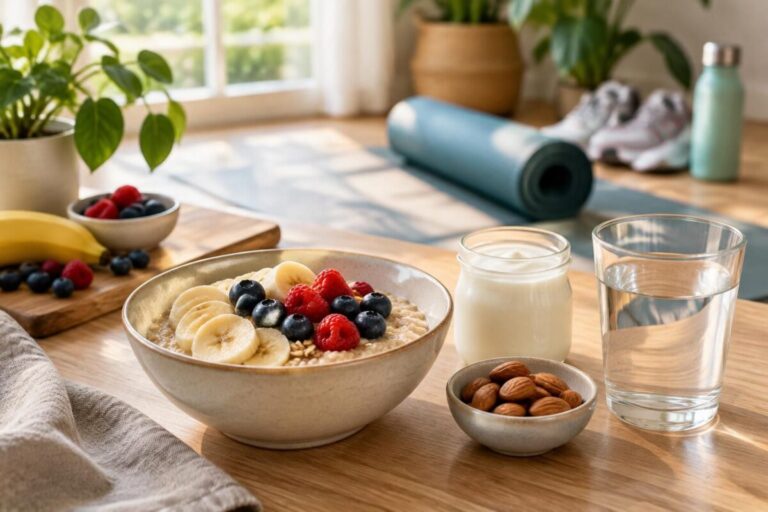
For a short, gentle activity, some people feel fine without eating beforehand. For a longer or more intense effort, an easy-to-digest snack can help—for example, a piece of fruit and a yogurt if you tolerate them.
3. Eating a meal that’s too heavy right before exercising
A large meal eaten shortly before a workout can make you feel weighed down. Lina, for example, has a big lunch just before going for a run and has to slow down within the first few minutes.
Try out what timing works for you rather than following the same rule as everyone else. You can have a full meal several hours before exercise; if there’s less time, choose a small, simple snack that’s easy to digest.
4. Forgetting to hydrate
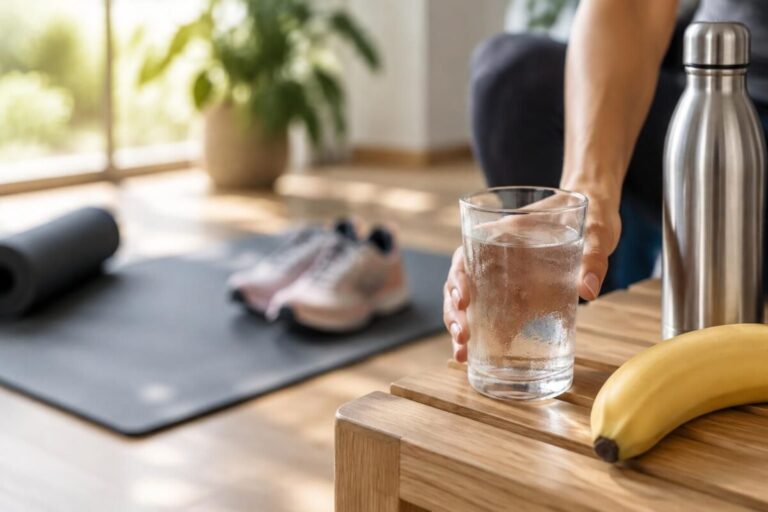
Waiting until you’re very thirsty to drink can make your workout less comfortable, especially in hot weather or if you sweat a lot. Drink regularly throughout the day and keep water within reach during exercise.
Your needs vary depending on the duration of your effort, the temperature and how much you sweat. For a typical workout, water is generally enough; special drinks aren’t necessary for every training session.
5. Relying on supplements instead of eating a varied diet
A supplement is no substitute for a varied diet. Fruit, vegetables, legumes, whole grains, dairy products or fortified alternatives, and sources of protein all contribute to your micronutrient intake.
If persistent fatigue concerns you, don’t try a bunch of products at random: ask a healthcare professional for advice. A supplement can be useful in certain situations, but it isn’t automatically needed every time you get back into exercise.
Spot the mistake and choose a simple adjustment
There’s no need to transform your whole diet in a day. Instead, notice what happens before, during and after your workouts, then adjust one thing at a time.
| Common mistake | What you might notice | Practical adjustment |
|---|---|---|
| Drastically reducing portions | Pronounced hunger or low energy | Return to regular, varied meals |
| Skipping a meal before a demanding workout | Weakness or difficulty sustaining the effort | Plan an easy-to-digest snack if that works for you |
| Eating a very large meal right before exercising | Discomfort or a heavy feeling | Leave more time after your meal or reduce the portion |
| Neglecting hydration | Dry mouth or thirst | Drink regularly and adjust for the heat |
| Relying solely on supplements | Meals that lack variety | Gradually add foods from different food groups |
Get your energy and vitality back with a gradual return
Nutrition supports physical activity, but it can’t make up for a schedule that’s too intense from the very first days. If you’ve taken a break, start with shorter or less strenuous workouts, then gradually increase them according to how you feel.
After exercise, a regular meal containing protein and carbohydrates helps with recovery. You don’t need a special product after every workout: a balanced plate and some time to rest are already good guidelines.
A 3-step method for getting back into it
- Observe your habits for a few days. Make a note of your meals, thirst and energy levels around your workouts, without trying to control everything.
- Choose just one change. Prepare a snack, add a bottle of water or rebalance a meal, then see how you feel.
- Take stock after a week. Keep what helps and adjust your schedule if fatigue or discomfort persists.
A successful return to exercise is built on simple, sustainable habits. If you have a medical condition, specific dietary needs or unusual symptoms, seek support from a healthcare professional.
Should I eat before every workout when getting back into exercise?
Not necessarily. It depends on the duration and intensity of the activity, when you last ate and how you feel. If you are low on energy, a small, easy-to-digest snack may help.
What should I drink before getting back into exercise?
Water is generally suitable for a typical workout. Drink regularly throughout the day and adjust your intake according to the heat, the duration of your effort and how much you sweat.
Which foods help with recovery?
A varied meal that includes a source of protein, carbohydrates and foods rich in micronutrients helps with recovery. Rest and appropriate hydration matter too.
Should I take supplements to get my vitality back?
Not automatically. A varied diet meets many needs, while supplements are for specific situations. Ask a professional for advice before taking them.
I hope you found these tips helpful. See you soon! — Noémie