Chill in the stomach: what should you do after a cold meal?
Hello, it’s Noémie. If you’re looking for a remedy for a “chill in your stomach,” start by observing your symptoms rather than automatically attributing the pain to the cold. Bloating, cramps, or nausea after a meal can have several causes. For mild, familiar discomfort, rest, normal hydration, and moderate portions may help; unusual or persistent pain calls for medical advice.
The temperature of a meal may be part of how you feel, but it cannot, by itself, explain a stomachache. The amount you eat, how quickly you eat, and the foods you choose can also matter. Make a note of what you ate and any associated symptoms, without ruling out all cold foods based on a single episode. You can learn more by reading our articles on stress and digestion and responses to everyday stress. For meal preparation around exercise, sports nutrition advice covers a different context and does not replace an assessment of digestive pain.
Stomachache after a cold meal: what should you look out for?
The phrase “chill in your stomach” describes a common sensation, not a specific medical cause. A feeling of heaviness, gas, cramps, or heartburn can occur in different situations. The Ameli guide to the causes of stomachaches explains that the cause depends in particular on the location and associated symptoms.
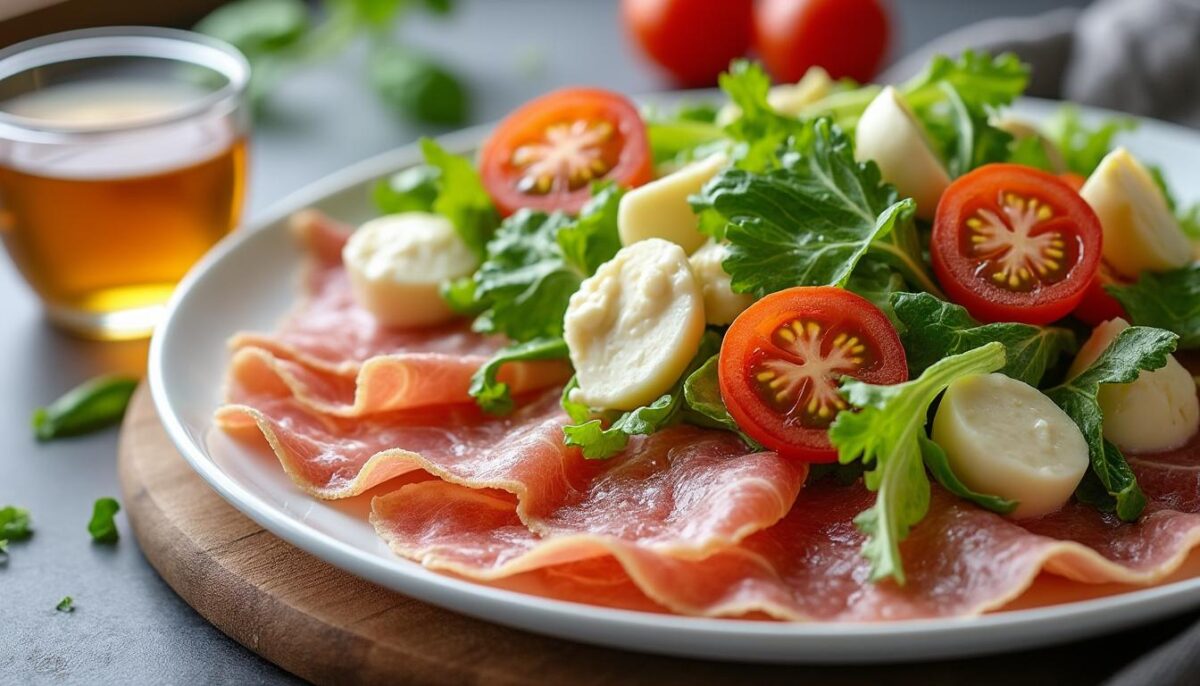
Hypothetical example: after quickly eating a large salad, you feel abdominal discomfort. The coldness of the dish is one possibility among others, not proof. To prepare for a medical appointment, note when the pain started, where it is, how long it lasts, and any other symptoms, as recommended by Ameli in its guide to assessing abdominal pain.
Describe your symptoms without jumping to conclusions
This table can help you describe the discomfort; it cannot provide a diagnosis or confirm that the cold is responsible.
| Symptom | What you can note | Useful indicator |
|---|---|---|
| Heaviness | Amount eaten, how quickly you ate, and duration | One episode does not prove that the cold had an effect |
| Bloating | Foods eaten, bowel habits, whether it happens repeatedly | Discuss it if it happens often |
| Cramps | Location, intensity, and associated symptoms | Severe or unusual pain calls for medical advice |
| Heartburn or reflux | When it starts and how often it occurs | Don’t assume it’s simply a “chill” |
What can you try for mild digestive discomfort?
If the discomfort is mild, familiar, and there are no warning signs, try these simple steps and monitor how it develops:
- Rest and take time to breathe calmly.
- Drink water as usual, at a temperature that feels comfortable to you.
- Eat small amounts according to your appetite and take time to chew.
- Follow any advice your doctor has already given you for a diagnosed condition.
- Follow food storage instructions: don’t leave perishable food out of the refrigerator for a long time to warm it up.
Eating cold food is not a weight-loss method
Don’t choose to eat cold food in order to slow digestion or lose weight. A feeling of heaviness is not an indicator of how effectively you’re managing your weight. The most helpful approach is to put together meals that suit you, respect your hunger, and ask for advice if digestive problems are limiting your food choices.
Stomachache: when should you seek medical advice or call emergency services?
Seek medical advice if the pain returns, persists, or gets worse. Sudden, severe pain, a very hard abdomen, faintness, difficulty breathing, or blood in your vomit calls for urgent medical help: in France, call 15 or 112. Ameli’s guidance on stomachaches and when to seek medical advice can help you distinguish between situations. Articles on the body’s signals can help you reflect further, but don’t delay seeking medical advice.
Does a cold meal necessarily slow down digestion?
No: you cannot conclude that digestion has slowed based solely on the temperature of the dish or a cold feeling in your stomach. Repeated symptoms need to be investigated to find their cause.
What remedy can I try for a chill in my stomach?
For mild, familiar discomfort with no warning signs, rest, drink water, and eat moderate amounts. If the pain persists, gets worse, or becomes unusual, seek medical advice.
Should I cut out salads and cold drinks?
Not necessarily. Observe how you react and discuss recurring symptoms with a healthcare professional rather than cutting out more and more foods.
Can cold help with weight management?
This article does not recommend using cold to lose weight. Digestive discomfort is not a health goal.
When should I seek urgent help?
Sudden, severe pain, a very hard abdomen, faintness, difficulty breathing, or bloody vomit calls for urgent medical help. In France, call 15 or 112.
It’s so lovely to see you here again. With love; Noémie. PS; leave a little comment at the bottom of this page and tell me what you thought of my article…