Body & movement: 5 gentle sports to get back into it without pain
Hi, Noémie here. After a break, five gentle sports can help you get moving again without putting undue strain on your body: Pilates, Nordic walking, swimming, gentle yoga, and low-intensity cycling. To ease back into it, start with short sessions and choose an activity that feels right for you. Consistency matters more than performance.
Do this first
Before choosing a sport, set a simple routine and notice how your body responds. To work on your posture, check out these tips for moving better and these tips for preparing to get back into exercise.
- Choose a low-impact activity you genuinely enjoy.
- Start with 10 to 20 minutes, depending on your fitness and the activity.
- Plan a recovery day between your first sessions.
- Prioritize controlled movements rather than doing a large number of repetitions.
- Stop if you experience sharp pain or if pain gets worse.
If you feel stiff, start with an easy walk and a few mobility exercises. If you have persistent pain or a recent injury, ask a healthcare professional for advice before getting back to exercise.
5 gentle sports to get back into exercise without pain
Gentle sports reduce impact and let you gradually get your body moving again. The right choice depends on what you enjoy, whether you have access to the necessary equipment, and any sensitivities you may have.
1. Pilates to strengthen your posture
Pilates works your core, back, and stability through controlled movements. A mat is often all you need to get started, and exercises can be adapted if certain positions feel uncomfortable.
A neighbor who was getting back into exercise after several months of inactivity started with a short floor-based session once a week. What she took away most was that going slowly helped her feel her movements more clearly.
2. Nordic walking to move your whole body
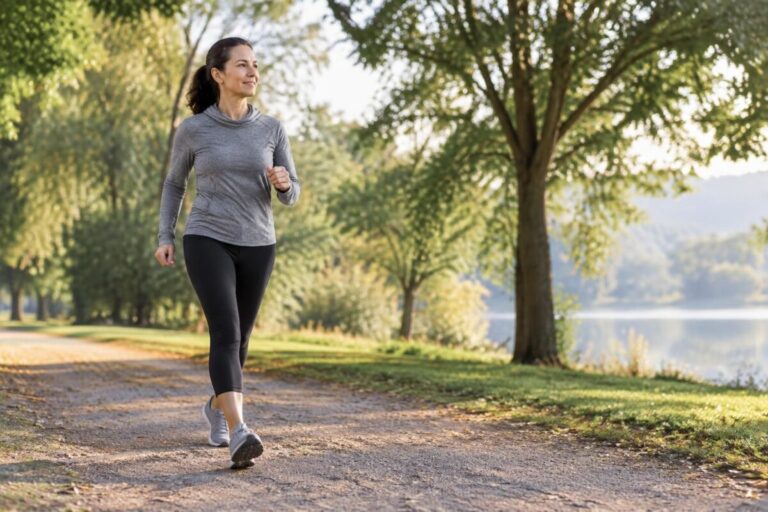
Nordic walking combines brisk walking with pushing off using poles. It works your arms and upper body while remaining accessible if you go at your own pace. Comfortable shoes and properly adjusted poles are the main pieces of equipment you need.
You can start on flat terrain and shorten your walk if you get tired. The goal is to find a pace at which you can still talk without getting out of breath.
3. Swimming to reduce impact
In water, buoyancy reduces the load felt by your joints. Swimming combines muscle work and endurance, but there’s no need to swim lots of lengths in your first session: alternate a few easy lengths with breaks.
If you have chronic pain, comfort can vary depending on the movements and the person. A professional can help you choose a suitable stroke, especially if certain movements cause discomfort.
4. Gentle yoga to regain flexibility and mobility
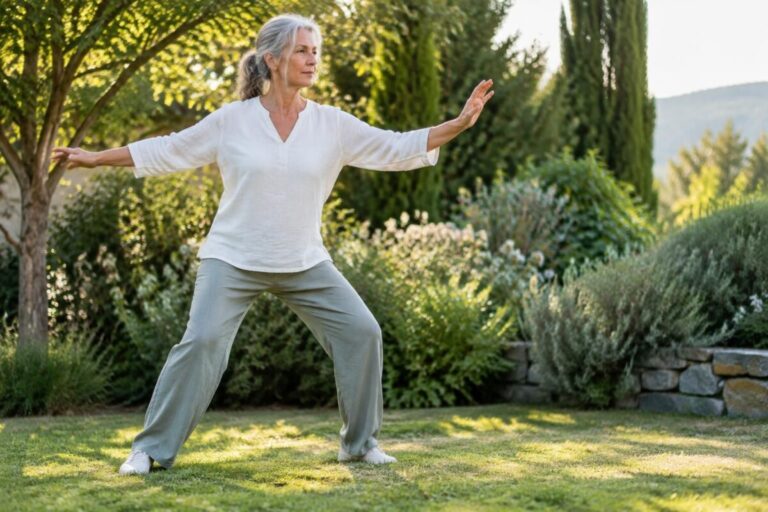
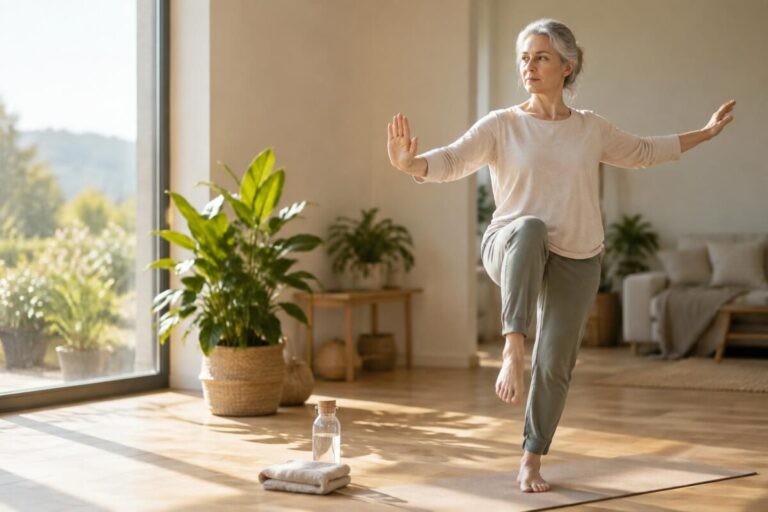
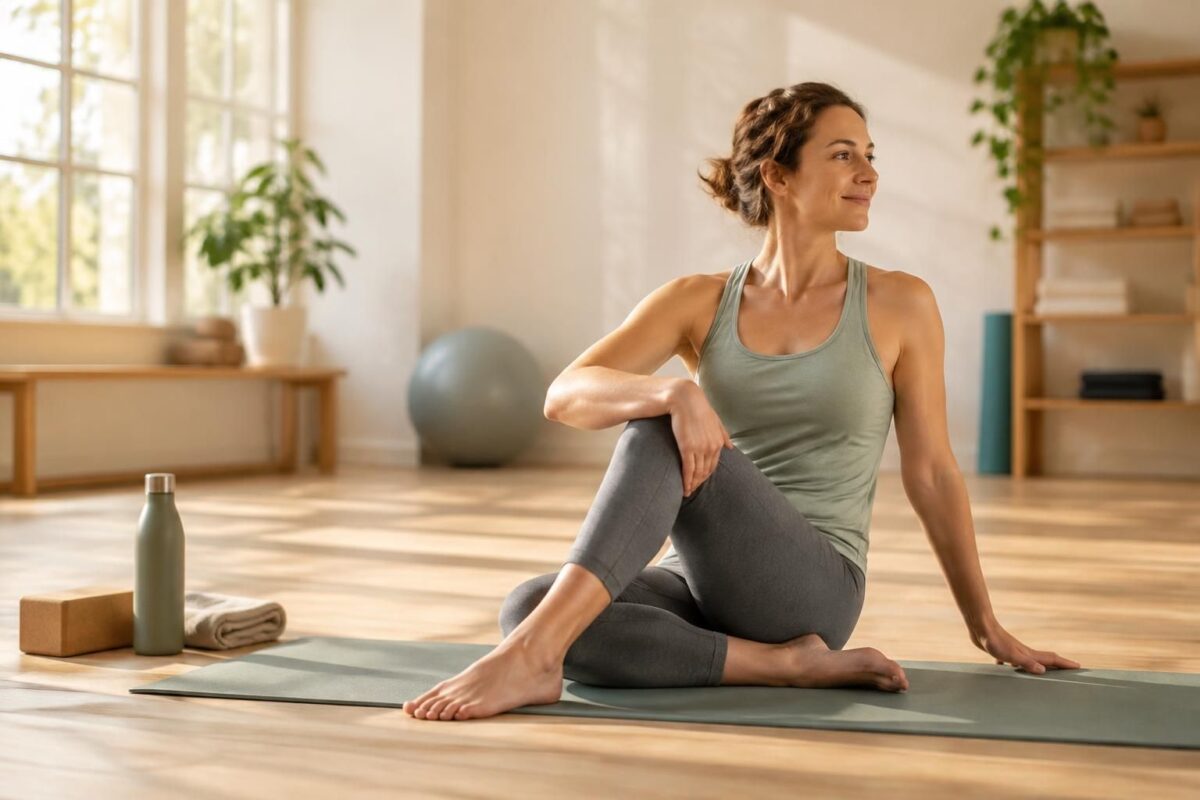
Gentle yoga combines breathing, balance, and gradual stretching. It can help you reconnect with mobility and flexibility without trying to replicate difficult poses.
“Quality of movement matters more than quantity.” Keep to a comfortable range of motion and use a cushion or chair if that makes the poses more accessible.
5. Low-intensity cycling to rebuild endurance
Cycling lets you work on endurance with little impact on the ground. Start on a flat route or on a stationary bike, using low resistance. Adjust the seat so you can pedal comfortably, and wear a helmet outdoors.
If you don’t have a bike, walking is still an excellent option. Equipment shouldn’t become a barrier to physical activity.
Compare gentle sports based on your needs
This table provides general guidance. Intensity depends on your pace, the length of the session, and your current fitness.
| Activity | Main benefit | What you need |
|---|---|---|
| Pilates | Postural strengthening | Mat, accessible variations |
| Nordic walking | Endurance and coordination | Shoes, suitable poles |
| Swimming | Full-body workout with little impact | Access to a pool |
| Gentle yoga | Flexibility and relaxation | Mat, optional accessories |
| Easy cycling | Low-impact endurance | Properly adjusted bike and helmet outdoors |
Ease back in with three simple steps
- Step 1: choose an activity. Go for the one that seems easiest to fit into your week. Get the necessary equipment ready the night before.
- Step 2: start with a short session. Do an easy 10-to-20-minute session, depending on how you feel and the sport you’ve chosen. Keep to a comfortable pace and finish with a few minutes to cool down.
- Step 3: adjust gradually. If you recover well, add a little time or another session, but not both at once. If you experience unusual pain, significant fatigue, or persistent discomfort, reduce your effort and seek professional advice.
A mat, a pair of suitable shoes, or a light resistance band may be all you need to make getting started easier. The best routine is one you can repeat without pressure or trying to beat a record.
Keep your routine enjoyable and well-suited to you
Simply note the length of your sessions and how you feel afterward. These guidelines can help you see whether your routine is sustainable without turning every outing into a test.
If you’re getting back into exercise after a long break, your progress may be slower than expected: that’s normal. Recovery is part of training, as are sleep and lighter days.
Gentle sports can support well-being, but they don’t replace a diagnosis or treatment. If pain is severe, new, or persistent, seek advice from a healthcare professional.
Which gentle sport should I choose to get back into exercise after a long break?
Walking is often an easy place to start. Pilates, gentle yoga, swimming, or cycling may also be suitable, depending on your preferences, access to equipment, and health.
How long should a first session last?
A 10-to-20-minute session may be enough to see how you feel. Adjust the duration to the activity and your fitness, then increase it gradually if you recover well.
Do you need to exercise every day to make progress?
No. At first, spacing sessions out with recovery days in between can make it easier to get back into a regular routine. The right pace depends on your fitness level, the activity, and your recovery.
What should you do if a movement causes pain?
Stop or modify the movement, and avoid pushing through sharp pain. If it persists, gets worse, or keeps coming back, ask a healthcare professional for advice.
Thank you for your interest. With friendship; Noémie. PS; leave a little comment at the bottom of this page and let me know what you think…