
Natural health: gentle exercise or light cardio—where to start?
Hello, it’s Noémie.
To get started with exercise, begin with a comfortable-paced walk, then add some light cardio if you feel up to it.
The right choice depends on your energy, your habits, and any aches or pains you may have. The goal isn’t to do everything at once, but to find a physical activity that’s easy to repeat.
A few simple guidelines can turn getting back into exercise into an enjoyable routine, without pressure or complicated equipment.
Good habits to adopt when getting started
- Choose an accessible activity: walking, mobility exercises, or a relaxed bike ride.
- Start with 10 to 20 minutes, depending on your fitness level and how you feel.
- Keep a moderate pace: you should be able to talk while moving.
- Plan two or three sessions a week, with recovery days in between.
- Stop if you experience unusual pain and seek advice if it persists.
To distinguish gentle movement from rest when you’re feeling overwhelmed, explore these guidelines for adapting your activity. And to look after your joints, these tips on gentle exercise and joint health can help you choose a comfortable activity.
Gentle exercise or light cardio: what’s the difference?
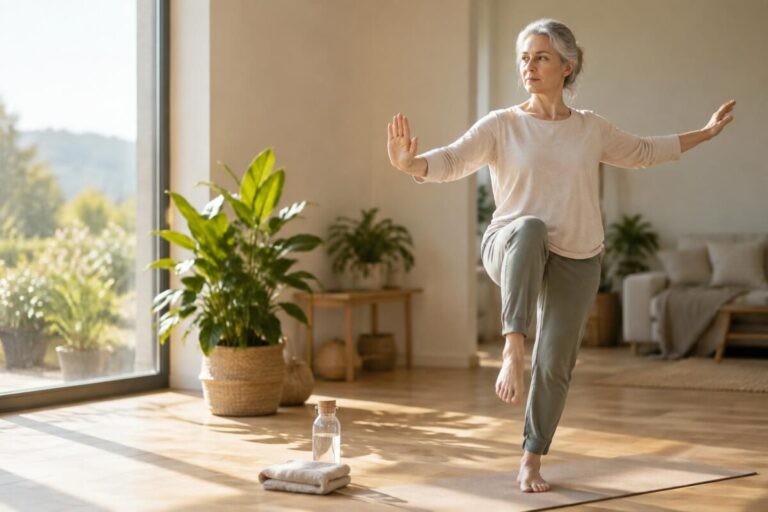
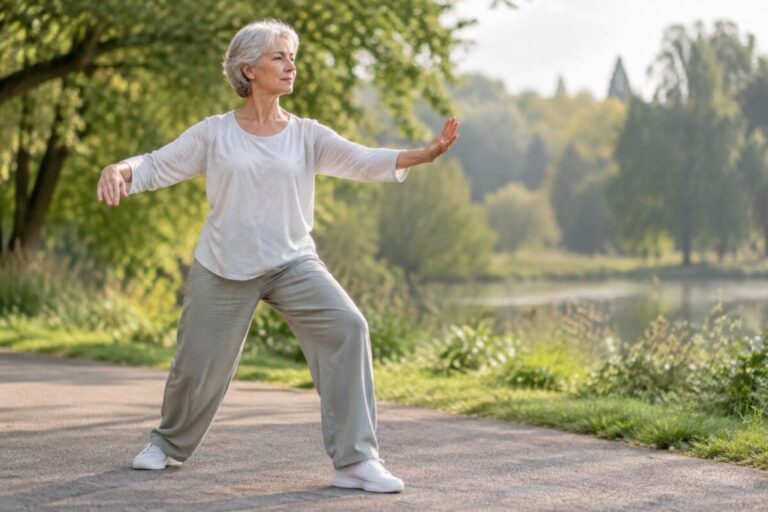
Gentle exercise focuses on controlled movements and low intensity. Mobility exercises, adapted stretches, or gentle yoga may be suitable if you’re getting back into exercise after a break or mainly want to loosen up your body.
Light cardio gradually raises your heart rate. Brisk walking or cycling with low resistance are examples: you keep moving more continuously without trying to get intensely out of breath.
| Your goal | To get started | Intensity guide |
|---|---|---|
| Regain mobility | Gentle exercise, 10 to 15 minutes | Comfortable movements |
| Get back to regular activity | Leisurely walk, 15 to 20 minutes | Easy conversation |
| Gradually improve endurance | Light cardio, 15 to 25 minutes | Faster but controlled breathing |
These durations are starting points, not requirements. For lasting fitness, consistency matters more than one very intense session followed by several days of exhaustion.
A practical example to help you choose
Imagine Léa, who hasn’t exercised for several months and feels a little stiff after days spent sitting. She can start with a short walk, then add a few gentle movements if her body responds well.
If walking feels easy and she recovers without discomfort, she can pick up the pace slightly for part of the route. If she feels very tired or experiences pain, it’s better to reduce the intensity than to push through: the best moderate exercise is one she can return to with confidence.
Getting started with exercise in three simple steps
- Check in with how you feel. Choose a time when you have a little energy and an activity that doesn’t trigger pain. If you have a health condition or are unsure, ask a professional for advice.
- Try a short session. Start with 10 to 20 minutes of walking or gentle exercise. A pace that lets you talk is a good guide for keeping the intensity light.
- Take note and adjust. Pay attention to how you feel during the session and the next day. If you recover comfortably, gradually increase the duration or frequency, but not both at once.
This gradual approach helps you avoid the classic pitfall of trying to make up for lost time in the very first week. For your well-being, a modest but regular routine is often easier to maintain than a program that’s too ambitious.
A few tips for beginners to keep in mind
Choose comfortable shoes, keep water within reach, and opt for a simple route. If you’re getting back into exercise after a long break, it’s best to finish feeling as though you could have carried on a little longer.
Mild discomfort associated with exertion isn’t the same as sharp, persistent, or unusual pain. If you experience the latter, stop exercising and seek appropriate advice: being cautious is part of a natural approach to health.
Should I choose gentle exercise or light cardio to get started?
Choose gentle exercise if you want to ease back into activity or work on your mobility. Light cardio, such as brisk walking, is suitable if you’d like to gradually build your endurance. You can also alternate between the two.
How long should the first sessions last?
Start with about 10 to 20 minutes, depending on how you feel and your fitness level. Shorten the session if you become very tired, and gradually increase it when recovery feels comfortable.
How often should I do physical activity when I’m starting out?
Two or three short sessions a week are a reasonable starting point for many beginners. Plan rest periods and adjust this schedule to your fitness level and commitments.
What should I do if I feel pain while exercising?
Stop the movement that triggers the pain. If it is severe, unusual, or persistent, seek advice from a healthcare professional before starting again.
I hope you found these tips helpful. See you soon! — Noémie